
Explore the role of parent in supporting education to boost student achievement. Learn 10 proven ways parents can enhance learning and motivation at home.
While teachers provide the academic foundation within the classroom, the home remains the first and most influential school a child will ever attend. Understanding the role of parent in supporting education is critical because academic success is rarely a solo journey; it is a partnership between the school, the student, and the family.
When parents take an active interest in their child’s learning, students demonstrate higher grades, better social skills, and increased graduation rates. Here is an in-depth look at how you can transform your child’s academic trajectory.
1. Establishing a Consistent Home Learning Environment
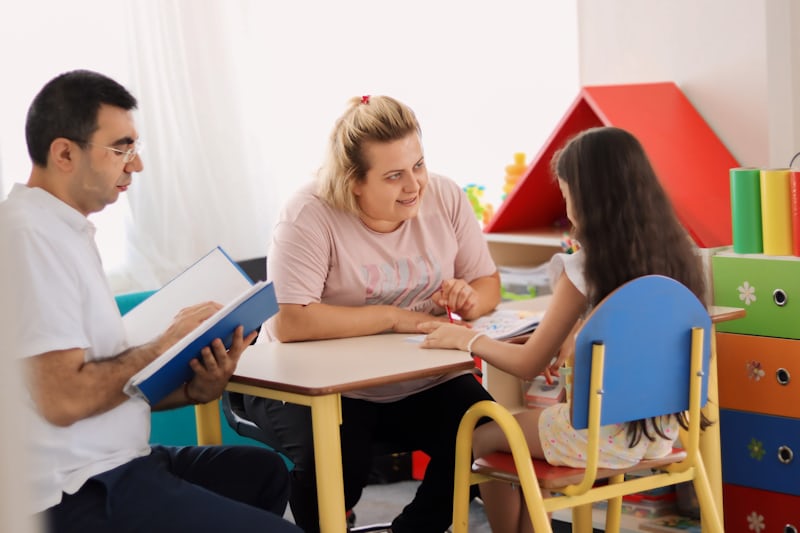
The physical space where a child studies speaks volumes about the priority given to learning. A primary aspect of the role of parent in supporting education is creating a “sanctuary for focus.” This doesn’t require a large home office—just a quiet, well-lit corner free from the distractions of television and loud siblings.
2. Modeling a Growth Mindset and Lifelong Curiosity
Children often mimic what they see rather than what they are told. If a parent shows a passion for reading, asking questions, and solving problems, the child will naturally follow suit. By demonstrating that learning is a lifelong adventure, you fulfill a vital part of the role of parent in supporting education.
3. Mastering Open Communication with Educators
A bridge is only as strong as its supports. To truly support a child, parents must maintain a transparent relationship with teachers.
follow us on social media
- WhatsApp Channel
- WhatsApp Group 1
- WhatsApp Group 2
- WhatsApp Group 3
- Facebook Page
- X(twitter)
The Role of Parent in Supporting Education via Teacher Partnerships
Don’t wait for the report card to find out how your child is doing. Attend parent-teacher conferences, use school apps to track progress, and don’t hesitate to ask: “What can I do at home to support the concepts you are teaching in class?” This proactive approach is a hallmark of successful parenting.
4. Encouraging Emotional Resilience and Grit
Education isn’t always easy, and it isn’t meant to be. Part of the role of parent in supporting education is helping a child navigate the frustration of a difficult math problem or a poor test grade.
The Role of Parent in Supporting Education in H4 to Build Confidence
Instead of rushing in to provide the answers, encourage your child to “embrace the struggle.” Praise their effort and strategy rather than just their innate intelligence. This builds the grit necessary for high-level academic achievement and future professional challenges.
5. Setting High but Realistic Expectations
Research consistently shows that students perform better when their parents expect them to succeed. However, these expectations must be balanced with support. Setting goals together—whether it’s improving a reading level or mastering a new language—gives the child a sense of agency and pride in their progress.
6. Integrating Learning into Daily Life
Education doesn’t stop when the school bell rings. You can see the role of parent in supporting education in action during a simple trip to the grocery store.
- Math: Have your child calculate the total cost or find the best “unit price.”
- Science: Discuss why certain vegetables need refrigeration.
- Literacy: Ask them to read the labels and compare ingredients.
7. Managing Screen Time and Digital Consumption
In 2026, the greatest competitor for a child’s attention is the smartphone. Parents must act as “digital gatekeepers,” ensuring that technology is used as a tool for research and creativity rather than just a source of passive entertainment.
8. Prioritizing Health, Sleep, and Nutrition
A hungry or tired brain cannot learn. Ensuring your child gets 8-10 hours of sleep and a balanced breakfast is a mechanical necessity. It is perhaps the most “invisible” yet essential way the role of parent in supporting education manifests in higher test scores and better classroom behavior.
9. Advocating for Resources and Extracurriculars
Sometimes, supporting education means looking beyond the classroom. Whether it’s finding a tutor, signing them up for a coding club, or taking them to the local library, providing access to diverse resources expands a child’s horizon and helps them find their unique passions.
10. Celebrating Wins, Both Big and Small
Finally, your role is to be your child’s biggest cheerleader. Recognition of hard work—not just the final “A”—creates a positive emotional association with school. This encourages the student to keep pushing forward, even when the curriculum gets tough.
Conclusion: The Power of Presence
Ultimately, the role of parent in supporting education isn’t about being an expert in every subject. It’s about being present, being curious, and showing your child that their education is the most valuable investment they will ever make.
By following these 10 strategies, you aren’t just helping your child pass a class; you are helping them build a foundation for a successful and fulfilling life. What is one small step you can take today to support their journey?