
Explore how home environment shapes a child’s education today. Learn 10 proven ways your home life, routine, and space can skyrocket student achievement.
While the classroom is where formal instruction takes place, the foundation of all learning is laid long before the school bus arrives. In 2026, educational researchers have confirmed that a student’s academic performance is a direct reflection of their domestic surroundings. Understanding how home environment shapes a child’s education is essential for any parent or guardian looking to provide their child with a competitive edge in a demanding world.
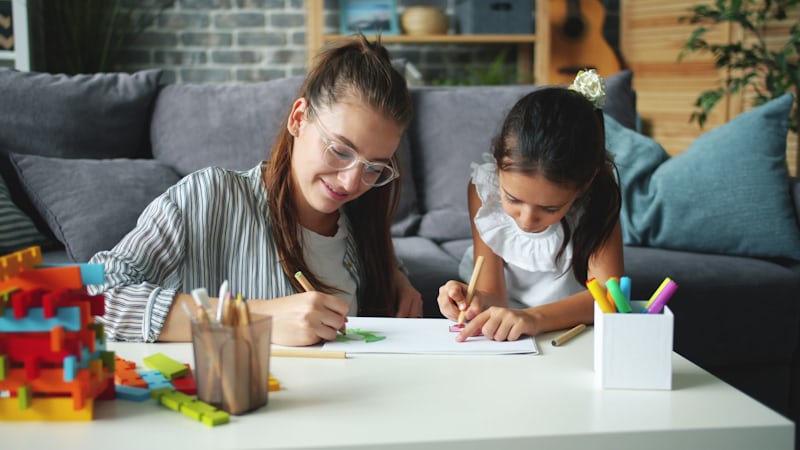
A home is more than just a place to sleep; it is a psychological and physical incubator. From the presence of books to the emotional stability of the household, every factor contributes to a child’s “readiness to learn.” Let’s examine the ten critical ways your home life influences academic outcomes.
1. The Physical Space: Creating a Sanctuary for Focus
The most visible way how home environment shapes a child’s education is through the physical setup of the house. A child who has a dedicated, quiet, and well-lit area for study develops a “concentration habit.”
When a home is cluttered or constantly loud, the brain remains in a state of high sensory input, making it nearly impossible to enter the “flow state” required for complex subjects like mathematics or creative writing. A desk is not just furniture; it is a signal to the brain that it is time to work.
2. Emotional Stability and the “Safe Haven” Effect
A brain under stress cannot process new information. This is a profound way how home environment shapes a child’s education—the emotional climate. Households characterized by high conflict or instability keep a child’s amygdala in “fight or flight” mode. When a child feels emotionally secure at home, their mental energy is freed up for cognitive tasks rather than being spent on emotional survival.
3. The Presence of Literacy Resources and “Print-Rich” Homes
The number of books in a home is one of the strongest predictors of a child’s future literacy levels.
How Home Environment Shapes a Child’s Education through Reading Culture
It isn’t just about having the books; it’s about seeing them used. When parents read for pleasure, children view literacy as a lifestyle rather than a school requirement. This domestic “reading culture” builds vocabulary and comprehension skills that put students years ahead of their peers.
4. Modeling a Growth Mindset and Intellectual Curiosity
Parents are the primary architects of a child’s worldview. If parents react to challenges with curiosity and persistence, the child learns that intelligence is something that can be grown.
How Home Environment Shapes a Child’s Education in H4 to Foster Grit
In a home where mistakes are treated as “learning moments” rather than failures, students develop the grit needed to tackle difficult STEM subjects. This psychological framing is a cornerstone of how home environment shapes a child’s education.
5. Routine and the Power of Predictable Structures
A home with a consistent schedule—regular bedtimes, set meal times, and a designated “homework hour”—provides a sense of security. Structure reduces “decision fatigue.” When a child knows exactly when and where they will be studying, they don’t have to waste mental energy negotiating with themselves or their parents about when to start.
Follow us on social media
- WhatsApp Channel
- WhatsApp Group 1
- WhatsApp Group 2
- WhatsApp Group 3
- Facebook Page
- X(twitter)
6. Nutritional Foundations and Brain Health
You cannot build a high-performing mind on low-quality fuel. The home is where a child receives the omega-3s, antioxidants, and proteins necessary for neural development. A home environment that prioritizes balanced nutrition ensures that the student is physically capable of maintaining focus for a six-hour school day.
7. Digital Hygiene and Screen-Time Boundaries
In the digital age, how home environment shapes a child’s education is heavily influenced by “digital hygiene.” Homes that set clear boundaries on social media and gaming protect the child’s attention span. By encouraging high-quality digital consumption over passive scrolling, parents ensure that technology remains a tool rather than a distraction.
8. Parental Involvement and “Academic Scaffolding”
Support doesn’t mean doing the homework for them; it means being available to guide them. Whether it’s practicing spelling words or discussing a history project at the dinner table, active parental involvement signals to the child that their education is a family priority.
9. Cultural and Artistic Exposure at Home
Exposure to music, art, and diverse cultural discussions within the home broadens a child’s schema. This “cultural capital” allows them to make connections across different subjects in school, enhancing their critical thinking and making them more versatile learners.
10. Financial Literacy and Long-Term Goal Setting
Finally, the home is where children learn the value of delayed gratification. Discussing future goals—such as college or career paths—helps a child see the “long game.” This perspective is a vital way how home environment shapes a child’s education, as it provides the motivation to work hard today for a reward that is years away.
Conclusion: Your Home is Your Child’s First Classroom
Recognizing how home environment shapes a child’s education is empowering. You don’t need a PhD or a million dollars to create a conducive environment. By focusing on stability, routine, and a genuine love for discovery, you can turn your home into a launching pad for your child’s dreams.
The first step? Clear a small space, turn off the TV for an hour, and read together tonight. That small change in your home environment could be the start of a lifelong success story.