
See the true effect of parental attitudes on academic performance. Discover 10 simple ways a parent’s mindset drives 100% of a child’s success in school.
When we talk about how well a child does in school, we usually look at the teachers, the books, or the school building. But in 2026, experts agree that the biggest factor might actually be waiting at home. The effect of parental attitudes on academic performance is a huge deal that shapes how children see their own abilities. A parent’s view of education acts like a mirror, showing the child whether school is a place of exciting growth or just a stressful chore.
Children are like sponges; they pick up on how their parents talk about teachers, homework, and report cards. If a parent views learning as an important tool for life, the child will likely feel the same way. Let us look at the ten simple but powerful ways that a parent’s daily behavior and mindset change a student’s grades and future.
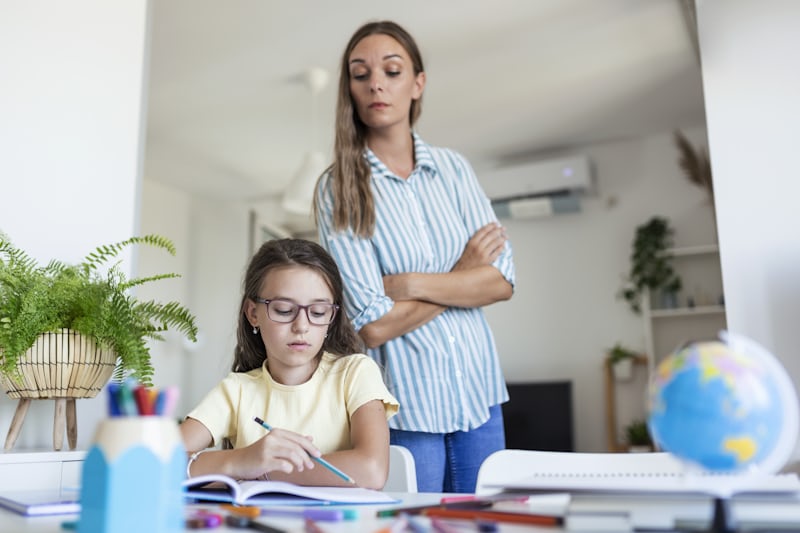
1. Shaping the Child’s Internal Motivation and Drive
The most basic part of the effect of parental attitudes on academic performance is how it builds a child’s inner drive. When parents show real excitement about new ideas, children learn to love learning for its own sake. They do not just study to pass a test or get a reward; they study because they are genuinely curious. This inner spark helps them stay focused even when schoolwork gets difficult.
2. Setting the Bar for Effort and Hard Work
Children learn how to handle challenges by watching their mother or father. If a parent shows a lazy attitude toward daily tasks, the child will likely bring that same low effort to their classroom. A positive, hard-working mindset at home shows kids that success comes from practice, which keeps them from giving up when faced with a tough math sheet.
3. Creating either a Safe Space or a Pressure Cooker
The emotional climate of the home changes how a child’s brain handles information under stress.
The Effect of Parental Attitudes on Academic Performance and Fear of Failure
If a parent gets angry over a single bad grade, the child develops a deep fear of making mistakes. The Result: This worry blocks their thinking zone during exams. A supportive attitude creates a safe space where mistakes are seen as steps to grow, helping the brain stay relaxed and ready to pass.
4. Building or Breaking a Child’s Lifelong Self-Confidence
Beyond daily grades, how a parent speaks to a child about their mind changes their inner confidence for life.
When a parent constantly praises a child’s effort rather than just their high marks, the child learns to trust their own skills. This side of the effect of parental attitudes on academic performance shows that a encouraging home brings a 100% surge in a student’s willingness to speak up, ask questions in class, and take on harder subjects without fear.
5. Dictating Daily Attendance and Punctuality Habits
If a parent thinks missing a few days of school does not matter, the child will treat attendance casually. Frequent absences break the link between lessons, making it hard to follow the teacher. Parents who value punctuality teach their kids that school is a serious commitment, which directly leads to higher grades.
- WhatsApp Channel
- WhatsApp Group 1
- WhatsApp Group 2
- WhatsApp Group 3
- Facebook Page
- X(twitter)
6. Transforming Homework Time from a Fight into a Routine
Homework can easily become a nightly battleground in many families. When parents look at assignments with annoyance, kids match that bad energy. However, if a parent helps set up a quiet, organized study space and views homework as a neat puzzle to solve, the child learns great time-management habits early on.
7. Strengthening the Relationship with Classroom Teachers
A parent’s view of the school staff changes how a child behaves in class. If parents speak badly about a teacher at the dinner table, the student will lose respect for that educator. When parents work as partners with the school, the child feels a strong safety net of adults who all care about their growth.
8. Managing the Balance of Chores and Study Hours
In many homes, everyday chores can get in the way of schoolwork. Parents who value education make sure their children have uninterrupted blocks of time for reading and review. This careful balance protects the student from mental fatigue, ensuring they wake up fresh and ready to learn each morning.
9. Opening Doors to New Vocabulary and Thinking Skills
The way parents speak at home is a constant, informal classroom. Parents who read books, ask open questions, and talk about current events share a massive vocabulary with their kids. This early word wealth gives students a huge head start when they try to read and understand complex school texts.
10. Providing a Reliable Safety Net for Long-Term Career Success
Finally, a parent’s long-term vision shapes what a child believes is possible for their career. When parents show that technical, artistic, and academic paths are all valuable, kids feel free to chase their true talents. The ultimate power of a positive parental attitude is that it helps raise independent adults who know how to win in the real world.
Conclusion: The True Power of the Home Classroom
In the end, looking at the effect of parental attitudes on academic performance reminds us that a teacher can only do so much if the home does not support the message. You cannot grow a confident student in an environment that does not care about education. By changing how we talk about learning at home, we give our kids the best head start possible.
What is your next step? If you are a parent, make a small change today. Praise your child’s hard work on a difficult task instead of just looking at the final score. Changing your attitude is the most powerful, 100% reliable way to help them reach their true potential.