
Examine the impact of overcrowded classrooms on learning and student focus. Discover 10 alarming ways high-density rooms impair 100% of academic success.
In the contemporary educational landscape of 2026, we frequently hear lofty rhetoric surrounding digital transformation and advanced curriculum design. Yet, an old and systemic crisis continues to undermine these innovations across the globe: the sheer density of the physical environment. Understanding the impact of overcrowded classrooms on learning is an absolute imperative for any educator or policymaker striving for true academic excellence. A school room is not merely a holding cell for bodies; it is a delicate cognitive ecosystem where spatial volume directly influences psychological focus.
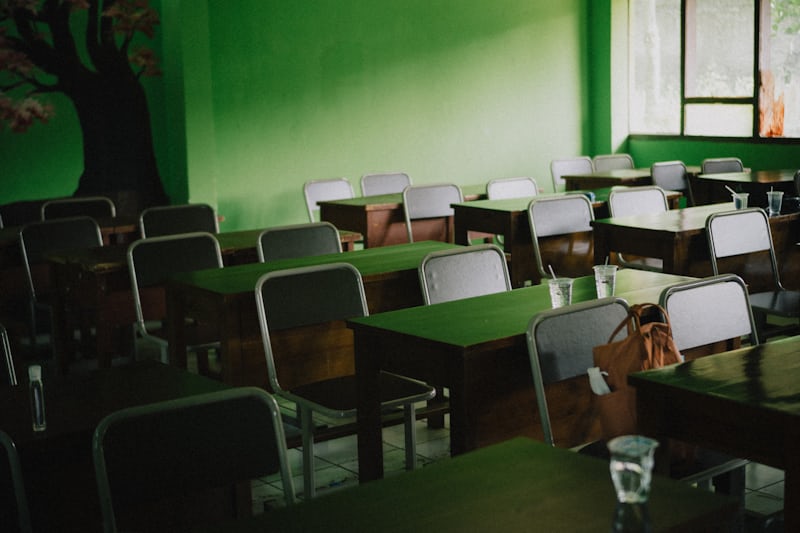
When a teacher is faced with a high-density sea of faces rather than a manageable cohort, the entire educational philosophy shifts from “personalized inspiration” to “crisis management.” Excess numbers create an environment of sensory overload and administrative friction that leaves both students and instructors intellectually compromised. Let us look past generic metrics and critically analyze the ten profound dimensions of how high student density alters cognitive growth.
1. The Dilution of Differentiated and Personalized Instruction
The primary instructional argument regarding the impact of overcrowded classrooms on learning is the immediate loss of individualized attention. Every student possesses a distinct cognitive blueprint, requiring tailored pacing, feedback, and reassurance. In a high-density setting, a teacher’s contact hours are fragmented into meaningless fractions of time. The struggling student is left to drown in silence, while the advanced learner stalls from a lack of stimulation.
2. Elevated Decibel Levels and Sensory Cognition Impairment
Human memory formation requires a state of sustained auditory focus. The impact of overcrowded classrooms on learning is compounded by the baseline noise levels of a packed room—shuffling papers, whispers, and shifting desks. This continuous auditory ambient noise forces the young brain into high cognitive load just to isolate the teacher’s voice, leaving significantly less working memory available for processing complex mathematics or linguistic principles.
3. The Physical Suffocation of Kinesthetic and Active Learning
Modern pedagogy heavily emphasizes the transition away from passive rote learning toward physical, hands-on experimentation.
The Impact of Overcrowded Classrooms on Learning and Group Science
When desks are jammed together from wall to wall, active learning becomes logistically impossible. The Consequence: Teachers are forced to revert to outdated, static lectures to maintain safety and order. This restriction on physical movement is a silent but devastating layer of the impact of overcrowded classrooms on learning, as it denies tactile learners the physical context they need to achieve full understanding.
4. The Explosion of Behavioral Redirection and Administrative Fatigue
When space decreases, irritability and behavioral friction naturally rise among students.
Instructors find themselves spending up to 40% of their instructional time simply enforcing basic discipline and managing spatial territory. This specific dimension of the impact of overcrowded classrooms on learning highlights that high density yields immediate emotional fatigue, ensuring that the actual delivery of academic material is drastically cut short by the necessity of constant behavioral damage control.
- WhatsApp Channel
- WhatsApp Group 1
- WhatsApp Group 2
- WhatsApp Group 3
- Facebook Page
- X(twitter)
5. The Erosion of High-Quality Formative Assessment Loop
True learning relies on a constant, rapid feedback loop. A teacher must read a student’s essay, diagnose the grammatical or logical gaps, and offer constructive pathways forward. When an educator is saddled with an overwhelming pile of assignments due to high class volume, the quality of feedback plummets into generic grades, leaving students unaware of their true structural errors.
6. Heightened Cortisol Levels and Chronic Academic Anxiety
A primary psychological variable in the impact of overcrowded classrooms on learning is environmental stress. High-density spaces naturally elevate the human body’s cortisol production, placing the nervous system in a subtle but constant “fight-or-flight” state. Because the hippocampus—the brain’s memory bank—is highly sensitive to stress hormones, a chaotic environment physically restricts long-term retention.
7. Increased Absenteeism and Rapid Disease Transmission
From a purely biological perspective, high-density rooms act as rapid breeding grounds for airborne illnesses. When a classroom is packed beyond its architectural capacity, viral load increases, resulting in frequent sick days for both students and faculty. This constant interruption breaks the sequential scaffolding of the curriculum, making academic failure a predictable outcome.
8. The Anonymity Trap and the Loss of Peer Belonging
In a crowded space, a quiet or introverted student can easily become a ghost. They realize that their presence or absence goes unnoticed by the overwhelmed instructor. This sense of academic anonymity breeds deep psychological alienation, eroding the student’s motivation to participate, ask questions, or take intellectual risks.
9. The Devaluation of Public Infrastructure Trust
The physical state of a school teaches a child how much society values their future. Walking into an overcrowded room with broken furniture or shared textbooks sends a clear, negative message about institutional worth. This subtle demographic discouragement damages a student’s academic ambition long before they sit for a national examination.
10. Building Localized Mitigation and Space-Sharing Frameworks
Finally, analyzing the impact of overcrowded classrooms on learning must lead to practical, adaptive strategies. Schools must implement smart scheduling, staggered attendance models, or resource-rich study hubs to provide sanctuary zones. By actively treating high density as a serious logistical barrier rather than an unchangeable reality, we can begin to claw back the quiet focus that every child deserves.
Conclusion: Reclaiming the Space for Mindset Mastery
Ultimately, recognizing the impact of overcrowded classrooms on learning requires a collective refusal to accept crowded spaces as the standard for education. True learning cannot occur in a stampede. By advocating for balanced pupil-to-teacher ratios and investing in localized structural expansion, we secure the 100% focused environment required to cultivate the leaders, thinkers, and builders of tomorrow.
What is your immediate move? If you are an educator or community advocate, begin by tracking the real-time density metrics of your local classrooms. Protecting the physical space of the learning room is the single most fundamental, 100% reliable step toward unlocking a student’s hidden potential.