Unlock success! Discover the importance of classroom participation and how it boosts grades. Learn 10 proven ways active engagement transforms learning in 2026.
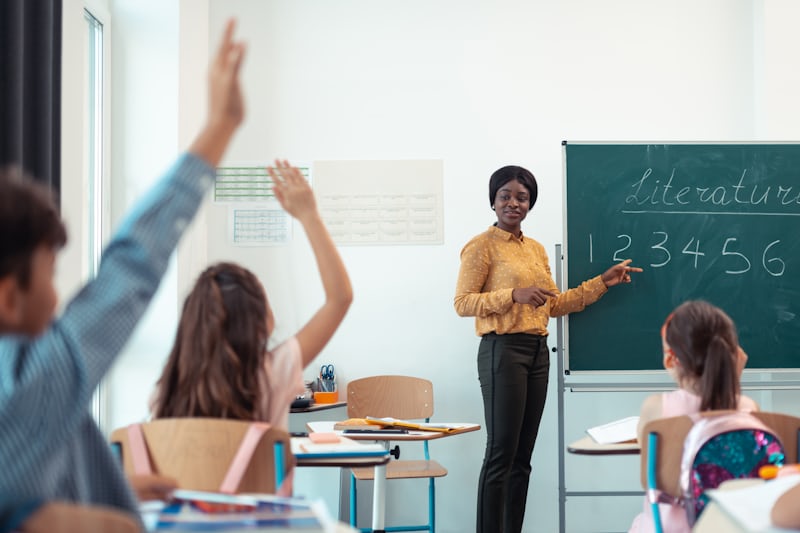
In the modern educational landscape of 2026, the image of a silent student taking endless notes while a teacher lectures is becoming obsolete. Educators and neuroscientists now agree that the importance of classroom participation cannot be overstated. When a student raises their hand, asks a question, or engages in a peer discussion, they are doing much more than “being active”—they are physically reconfiguring their brain to retain information more effectively.
Active engagement is the bridge between hearing information and truly owning it. For many students, the classroom is the primary laboratory where they test their ideas, refine their logic, and build the social-emotional skills necessary for a successful life. Let’s dive into the ten vital reasons why showing up mentally is just as important as showing up physically.
1. Strengthening Neural Connections through Active Encoding
The most scientific reason for the importance of classroom participation is how it affects memory. When you sit passively, you are using shallow processing. However, when you participate, you engage in “active encoding.” By vocalizing a thought, you activate multiple regions of the brain—auditory, motor, and cognitive—which creates a much stronger neural pathway than reading or listening alone.
2. Real-Time Feedback and the Correction of Misconceptions
One major benefit of participating is the immediate feedback loop. If a student explains a concept incorrectly and is gently corrected by a teacher, that “mistake” becomes one of the strongest memories they will have. This real-time adjustment is a cornerstone of the importance of classroom participation; it prevents “wrong” information from being stored in long-term memory.
3. Developing Critical Thinking and Analytical Skills
Classroom dialogue forces students to think on their feet. It requires them to take raw data, process it, and form a coherent argument or inquiry.
The Importance of Classroom Participation and Cognitive Growth
By engaging in debate, students learn to see multiple perspectives. This cognitive flexibility is a direct result of active involvement. The Solution: Teachers should foster a “brave space” where students feel that their unique viewpoint adds value to the collective understanding of the group.
4. Building Professional Communication and Public Speaking Confidence
Many students fear speaking in front of others, but the classroom is the safest place to practice.
Every time a student speaks up, they are practicing “professional articulation.” This builds the confidence needed for future job interviews and boardroom presentations. Understanding the importance of classroom participation helps students realize that the classroom is a low-stakes rehearsal for a high-stakes world.
5. Increasing Student Motivation and Emotional Investment
It is easy to get bored in a class where you are just a spectator. However, when you participate, you become a “stakeholder” in the lesson. This emotional investment triggers dopamine release, which keeps the brain alert and motivated to continue learning.
6. Fostering a Sense of Community and Belonging
Education is a social process. When students participate, they build rapport with their teachers and peers. This sense of belonging is a key psychological factor in the importance of classroom participation—students who feel “seen” and “heard” are significantly less likely to disengage or drop out of school.
7. Preparation for the Collaborative Workforce of 2026
In today’s economy, nobody works in a silo. Most modern careers require constant collaboration and “brainstorming.” By participating in class, students are practicing the exact social mechanics they will use in their future careers, from project management to team leadership.
- WhatsApp Channel
- WhatsApp Group 1
- WhatsApp Group 2
- WhatsApp Group 3
- Facebook Page
- X(twitter)
8. Improving Teacher Awareness of Student Needs
Teachers aren’t mind readers. The importance of classroom participation extends to the educator as well. When students speak up, the teacher can gauge the “temperature” of the room. If everyone is confused, the teacher knows to pivot. Participation is the “dashboard” that helps the teacher navigate the lesson successfully.
9. Developing the Courage to Ask “Why?”
The most successful people in history were those who weren’t afraid to ask questions. Encouraging participation teaches students that curiosity is a strength, not a sign of weakness. It gives them the “intellectual permission” to challenge the status quo.
10. Enhancing Long-Term Retention and Exam Performance
Finally, there is a statistical link between participation and grades. Students who actively engage in class consistently score higher on assessments because they have already “rehearsed” the material multiple times through dialogue before they ever sit down for the exam.
Conclusion: Activating Your Academic Potential
Recognizing the importance of classroom participation is the first step toward academic mastery. It is about moving from the passenger seat into the driver’s seat of your own education. Whether it is asking a small question or leading a group debate, every act of participation is an investment in your future self.
What is your next move? In your very next class, challenge yourself to contribute just one thought or question. You’ll be amazed at how much more you remember when you become a part of the conversation.