
Explore how the power of education in breaking the cycle of poverty creates lasting global change. Discover 10 life-changing benefits of quality schooling today.
Poverty is often described as a trap—a self-reinforcing mechanism that keeps families and communities in a state of deprivation for generations. However, there is a master key that can unlock this cage. The power of education in breaking the cycle of poverty is the most effective tool we have for global development and personal liberation.
When we invest in learning, we aren’t just teaching kids to read and write; we are providing them with the intellectual infrastructure needed to rebuild their lives and their communities. Here is how this transformation happens across 10 vital dimensions.
1. Increasing Earning Potential and Economic Stability
The most direct evidence of the power of education in breaking the cycle of poverty is found in income statistics. Each additional year of schooling significantly raises an individual’s lifetime earnings. Education shifts a person from unskilled, low-wage labor to skilled employment, providing the financial buffer needed to save, invest, and escape debt.
2. Reducing Vulnerability to Exploitation
Education provides a shield. Those who can read, write, and understand legal rights are far less likely to fall victim to predatory lending, human trafficking, or unfair labor practices. This protection is a core element of how schooling secures a future free from systemic abuse.
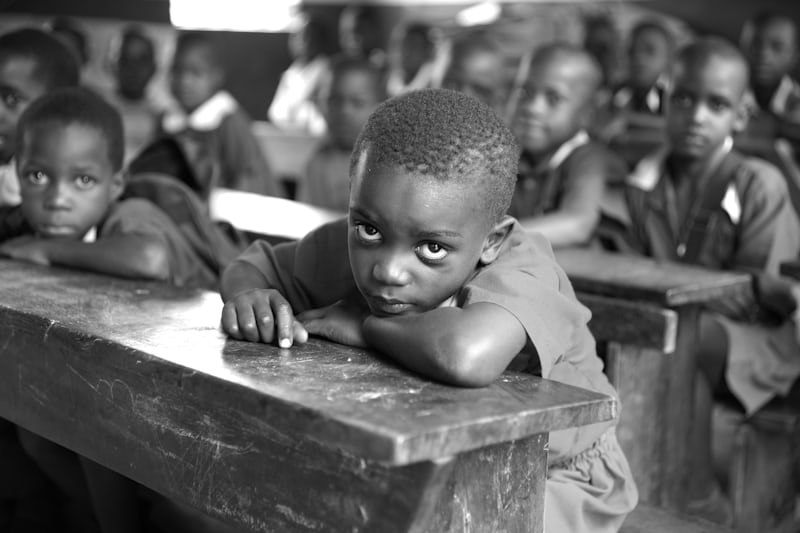
3. Improving Health Outcomes for Future Generations
Health and wealth are inextricably linked. This is a critical reason why the power of education in breaking the cycle of poverty is so profound. Educated parents are more likely to:
- Immunize their children.
- Understand the importance of clean water and sanitation.
- Seek prenatal care and professional medical assistance.
The Power of Education in Breaking the Cycle of Poverty and Child Mortality
Statistical data shows that a child born to a mother who can read is 50% more likely to survive past age five. By improving health literacy, education ensures that families don’t lose their meager savings to preventable illnesses.
Follow us on social media
- WhatsApp Channel
- WhatsApp Group 1
- WhatsApp Group 2
- WhatsApp Group 3
- Facebook Page
- X(twitter)
4. Empowering Women and Closing the Gender Gap
Gender inequality is a major driver of poverty. When girls stay in school, they are less likely to enter early marriages or have unplanned pregnancies.
Understanding the Power of Education in Breaking the Cycle of Poverty for Girls (H4)
Empowering women through education has a “multiplier effect.” Women tend to reinvest 90% of their income back into their families (compared to 30-40% for men). This reinvestment in nutrition and schooling for the next generation is the ultimate “cycle breaker.”
5. Cultivating Critical Thinking and Problem-Solving
Poverty often limits one’s perspective to immediate survival. Education expands that horizon. By teaching logic and critical thinking, education allows individuals to innovate. Whether it’s finding a new way to irrigate a farm or starting a small digital business, the ability to solve complex problems is a prerequisite for upward mobility.
6. Fostering Civic Engagement and Better Governance
Societies with higher literacy rates tend to have more stable and accountable governments. The power of education in breaking the cycle of poverty extends to the ballot box. Educated citizens are better equipped to demand transparency, fight corruption, and advocate for policies that benefit the poor rather than just the elite.
7. Breaking Cultural Stigmas and Limiting Beliefs
In many impoverished areas, there is a “poverty of spirit”—a belief that things can never change. Education introduces students to new worlds, different cultures, and successful role models. This psychological shift from “I can’t” to “I can” is the spark that ignites social change.
8. Developing Digital Literacy for the Modern Workforce
In 2026, the digital divide is the new frontier of poverty. Access to information technology is essential. Schools that provide computer literacy are equipping students to participate in the global “gig economy” and remote work sectors, allowing them to earn high-value currency regardless of their physical location.
9. Strengthening Environmental Resilience
The poor are often the hardest hit by climate change. Education in sustainable farming and resource management allows communities to protect their land and livelihoods against environmental shocks, ensuring that a single bad harvest doesn’t result in total economic collapse.
10. Creating a Sustainable Legacy of Learning
The final way the power of education in breaking the cycle of poverty manifests is through the “legacy effect.” Once a child becomes the first in their family to graduate, the expectation for every child that follows is permanently raised. The cycle of poverty is replaced by a cycle of achievement.
Conclusion: A Global Responsibility
We cannot afford to leave half the world’s potential untapped. Recognizing the power of education in breaking the cycle of poverty is not just a moral imperative; it is an economic one. When we educate the world, we create a more stable, prosperous, and innovative planet for everyone.