Discover 7 vital ways Nigerian communities benefit from educated youth. From boosting the local economy to driving social change, see why youth education is the ultimate key to a prosperous Nigeria.
In Nigeria, we often say that “the youth are the leaders of tomorrow,” but the truth is that their impact starts today. When we invest in quality schooling and vocational training, the ripple effects are felt in every Abule, local government area, and city center.
The various ways communities benefit from educated youth go far beyond individual success; they are the foundation of national development. Education acts as a catalyst, transforming vibrant energy into structured progress. Here is how that transformation reshapes our society.
1. Economic Growth as Communities Benefit From Educated Youth
The most immediate way communities benefit from educated youth is through economic stimulation. In Nigeria, where the informal sector is massive, educated young people bring modern business strategies to local markets. Whether it is a tech startup in Yaba or a mechanized farm in Benue, educated youth create jobs rather than just seeking them. They pay local taxes and reinvest their earnings into community shops and services, keeping the “Naira” circulating within the neighborhood.
2. Reduced Social Unrest and Enhanced Security
An idle mind is often cited as a workshop for mischief, but an educated mind is a workshop for innovation. One of the primary benefits of education is that it provides a sense of direction and financial hope. When young Nigerians are engaged in learning and professional growth, they are less likely to be recruited into social vices or communal clashes. Education provides the critical thinking needed to reject manipulation and choose peaceful progress instead.
3. Improved Healthcare Outcomes in the Local Area
Health is wealth, and education is the primary driver of public health. Communities benefit from educated youth because these individuals act as informal health ambassadors. They are more likely to:
- Understand the importance of immunization and maternal health.
- Practice better hygiene and sanitation, reducing the spread of malaria and typhoid.
- Utilize primary healthcare centers effectively. An educated daughter or son often ensures that the elderly members of the family receive the right medication and lifestyle advice.

4. Civic Leadership and the Importance of Education in Nigeria
For our democracy to mature, we need an informed electorate. The importance of education in Nigeria is seen when young people understand their civic rights. Educated youth are the ones who sensitize their neighbors about voting, hold local councilors accountable, and volunteer for community development associations (CDAs). They move the conversation from “stomach infrastructure” to long-term sustainable policies.
5. Agricultural Innovation and Food Security
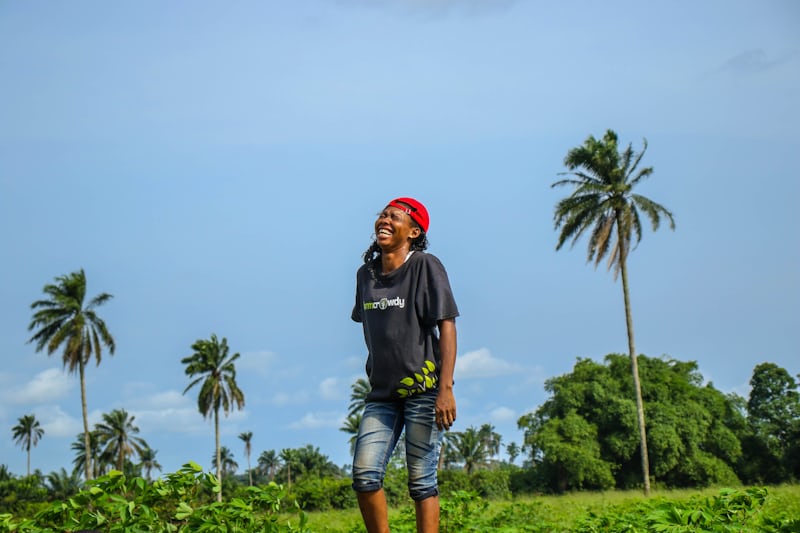
Agriculture remains the backbone of many Nigerian states. However, traditional methods can only go so far. Communities benefit from educated youth who apply “Agri-tech” solutions—using data to predict rainfall, soil testing, and digital marketplaces to sell produce directly to consumers. This modernization ensures that food remains affordable and available for the entire community.
Follow Us on Social Media
6. Digital Inclusion and Global Connectivity
In a globalized world, the “digital divide” can leave rural communities behind. Educated youth bridge this gap. By bringing internet literacy and tech skills back to their hometowns, they help local artisans sell products on Instagram or help farmers access government grants online. They are the link between the local village and the global economy.
7. Cultural Preservation Through Modern Expression
Education doesn’t mean forgetting our roots; it means finding better ways to tell our stories. Educated Nigerian youth in the creative arts—film, music, and literature—are taking our local languages and traditions to the world stage. This brings pride and international attention to their home communities, often leading to increased tourism and cultural investment.
The Bottom Line: A Brighter Future for All
When we prioritize the classroom over the street, we aren’t just helping one child; we are fortifying the entire nation. The communities benefit from educated youth through a stronger economy, better health, and a more stable society. If we want to see a “New Nigeria,” we must start by ensuring every youth has the tools to learn and lead.