
See why some students avoid asking for help. Discover 10 simple reasons why fear of judgment drives 100% of school anxiety, isolation, and bad grades.
When we look at a student who is struggling with their schoolwork, the most common advice we offer is simple: just raise your hand and ask your teacher. It seems like an easy, common-sense solution to any academic challenge. But in 2026, teachers and school counselors are noticing a massive, quiet crisis unfolding inside modern classrooms. Understanding why some students avoid asking for help is a critical secret that reveals why highly capable learners choose to fail in silence rather than reach out for a lifeline.
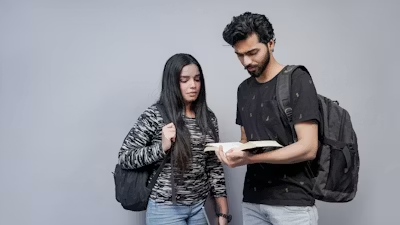
True learning requires a safe environment where confusion is treated as a normal step toward mastery. However, for a student sitting in a crowded room, admitting that they do not understand a lesson can feel like an incredibly dangerous risk. Instead of getting the guidance they need to pass their exams, they choose to mask their confusion with quiet compliance. Let us look at the ten simple but powerful reasons why students choose isolation over support.
1. Fearing the Harsh Judgment of Peers and Classmates
The most common reason why some students avoid asking for help is the intense fear of looking silly in front of their friends. Nobody wants to be the only person raising their hand while everyone else is nodding along silently. Students are deeply terrified that if they ask a basic question, their classmates will laugh at them or think they are unintelligent, so they choose to stay quiet to protect their social standing.
2. Dealing with the Heavy Weight of Academic Perfectionism
Many top-performing students suffer from a fragile mindset that treats any lack of knowledge as a complete personal failure. If they have a reputation for being naturally smart, they believe that asking for an explanation will ruin their perfect image. They carry a heavy burden of trying to know everything instantly, which stops them from getting help when lessons finally become too advanced for them.
3. Experiencing Low Confidence and Learned Helplessness
When a student has spent years struggling through difficult school subjects without proper support, their internal drive drops completely.
Why Some Students Avoid Asking for Help and Internal Brain Fog
They start to believe that no matter how many questions they ask, their brain will simply never understand the complex formulas or reading texts. The Result: This deep sense of hopelessness stops them from making any effort to contact their instructors, ensuring they feel 100% defeated by everyday homework tasks.
4. Misinterpreting the Busy Body Language of Modern Teachers
Beyond personal fears, the way a classroom is structured changes how comfortable a student feels about reaching out for assistance.
When an instructor rushes through a thick syllabus or looks stressed by a tight time schedule, young learners assume that their questions will be an annoying burden. This side of why some students avoid asking for help shows that a cold classroom environment brings a 100% surge in student isolation, causing them to stay silent because they do not want to disturb a tired teacher.
5. Carrying the Painful Memory of Past Academic Rejection
If a student was once embarrassed by a teacher who said, “We already covered this topic,” they will build a strong emotional wall against asking for assistance ever again. One bad experience can scar a young mind for years. They will choose to guess their way through hard test sheets rather than risk feeling that painful sting of public humiliation a second time.
6. Lacking the Basic Vocabulary to Explain Their Confusion
Sometimes, a student wants to ask a question but they are so completely lost that they do not even know where to start. They cannot find the right everyday words to explain what part of the math equation or science process is confusing them. Because they cannot formulate a neat, clear question, they give up entirely and let the class move on without them.
- WhatsApp Channel
- WhatsApp Group 1
- WhatsApp Group 2
- WhatsApp Group 3
- Facebook Page
- X(twitter)
7. Assuming that Everyone Else Understands the Lesson Perfectly
It is incredibly easy for a confused child to look around a quiet room and assume that every other student is a genius who understands the lecture completely. They do not realize that half of their classmates are also faking compliance and hiding their own panic. This false assumption makes them feel uniquely broken, increasing their deep shame and silence.
8. Misinterpreting Subtle Introversion and Social Anxiety Traits
For an introverted student or someone dealing with social anxiety, speaking up in a large group requires a massive amount of physical and mental energy. The mere thought of having thirty faces turn to look at them can trigger sudden panic or severe nervous sweat. For these individuals, staying invisible at the back of the class is a basic defense strategy to keep their anxiety levels low.
9. Believing that Independent Struggle is the Only True Way
Some students are raised with a strict cultural or family mindset that praises absolute self-reliance over group teamwork. They believe that getting assistance from a mentor or friend is a lazy shortcut or a form of cheating. They waste days trying to solve a single problem on their own because they think that asking for a guide makes them look weak.
10. Missing the Crucial Support System of a Local Mentor
Finally, many learners do not have an older sibling, a dedicated parent, or a neighborhood tutor who can show them that asking questions is an honorable path to victory. Without a close role model to guide them through hard study blocks, they never develop the communication habits needed to seek help, which limits their long-term career growth in the real world.
Conclusion: Trade Silent Failure for Absolute Progress
In the end, looking closely at why some students avoid asking for help reminds us that curiosity is not a sign of weakness; it is the ultimate tool for true intellectual mastery. You cannot build a legendary future if you are too afraid to admit when you are lost. By breaking down the barriers of shame and creating spaces where questions are celebrated, we help every young learner unlock their full power.
What is your immediate move? If you are confused by a lesson tonight, do not wait for the next big exam. Send your instructor a private, simple email or talk to a trusted friend after the closing bell. Taking control of your own learning pace is the most powerful, 100% reliable way to beat class anxiety and secure a bright, successful tomorrow.